
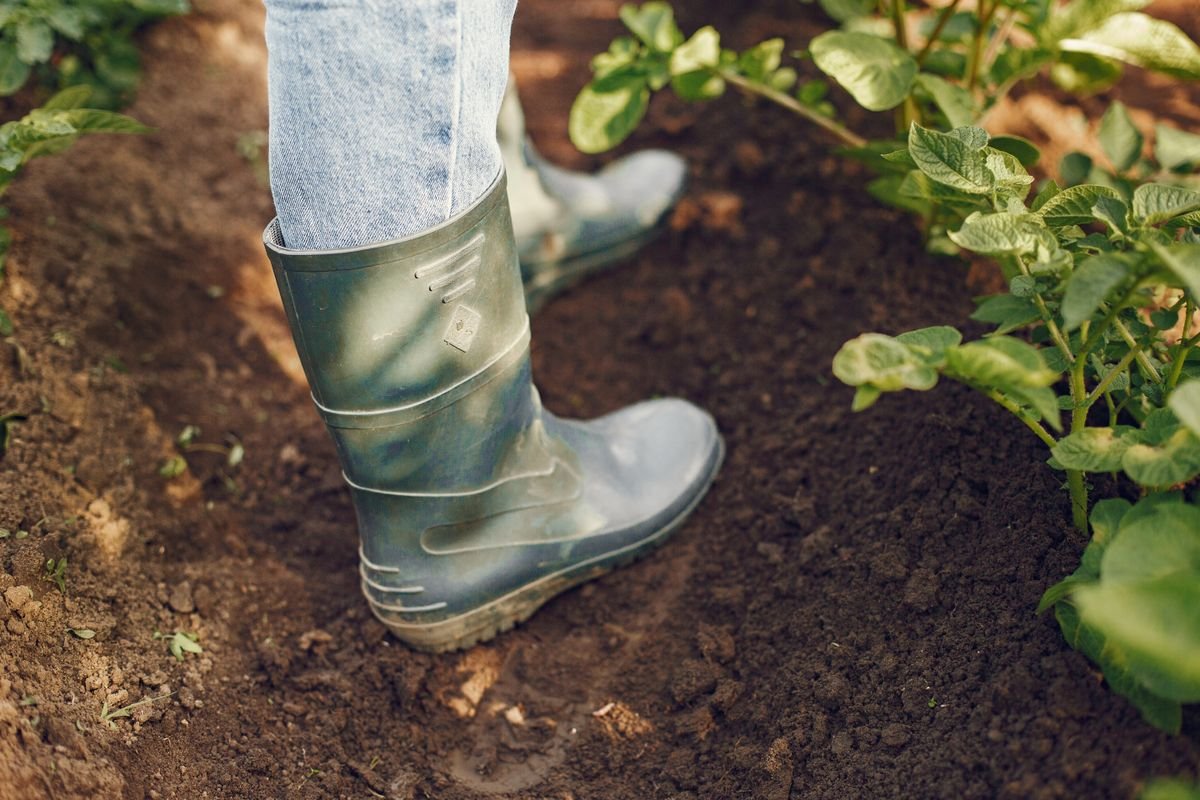
Welly to Belly.
Thirty Minutes on a Sunday.
That Is All It Takes.
Growing your own food in Ireland is not complicated. It never was. Someone just made very good money convincing you otherwise.
Put on
the wellies
Walk to
the garden
Pull something
out of the ground
Wash it.
Cook it. Eat it.
Something is wrong with the food. You already know it.
You have eaten a tomato in Italy on holiday. You remember it. You brought it up in conversation when you got home. “The tomatoes there, they taste like actual tomatoes.”
That was not the weather, the wine, or the holiday mood. That was a tomato grown within thirty kilometres of where it was eaten, harvested two days before you ate it, from a variety selected over generations for flavour rather than shelf life.
The average distance a supermarket tomato travels before it reaches your trolley in Mullingar. Across two borders, refrigerated, over five to seven days.
Source: EU food supply chain data
By the time that tomato reaches you, it has lost most of what made it worth eating. The University of California found that broccoli: same principle: loses around 80% of its glucosinolates within a week of harvest. The clock does not start at the use-by date.
The tomato in your garden is six metres from your kitchen. You pick it the evening you need it. You slice it onto pasta five minutes later. It is a different object entirely.
Browse 114 Italian heritage varieties: all in stock, delivered across Ireland by An Post.
The gardening industry sold you three lies.
The idea that growing food is complicated, time-consuming, or requires special talent is one of the most profitable myths ever invented. It sells courses. It sells expensive kits. It sells magazines.
When people say they killed every plant they ever owned, they usually mean: they overwatered a houseplant once. Or they bought a tomato variety bred for a Spanish greenhouse, not an Irish summer. Houseplants are a different skill. Irish tomatoes are not.
It is already happening. And it stuck.
2020 changed things. People who had never grown anything started growing things. Window boxes went up. Raised beds appeared in back gardens across the country. Seed companies sold out in ways nobody had seen before.
Some of that faded. A lot of it did not. People who started growing food that year are still growing food now. They found out what gardeners already knew: it is not a hobby like collecting stamps. It changes how you think about food. And that change does not reverse itself.
Why Italian seeds. Why Ireland. Why now.
I moved to Ireland from Italy years ago. Spent a long time running restaurants and coffee shops in Dublin. Learned one thing that changed how I think about food, cooking, and everything that comes after it:
In Italy, behind every village house there is an orto: a small vegetable garden, tended by whoever in the family has the most time, harvested by everyone. Tomatoes in August. Beans drying in October. Radicchio appearing as everything else dies back. Kale and parsley through winter. Then back to spring, and the cycle starts again.
It was not gardening as a hobby. It was just food. The default relationship between people and what they ate.
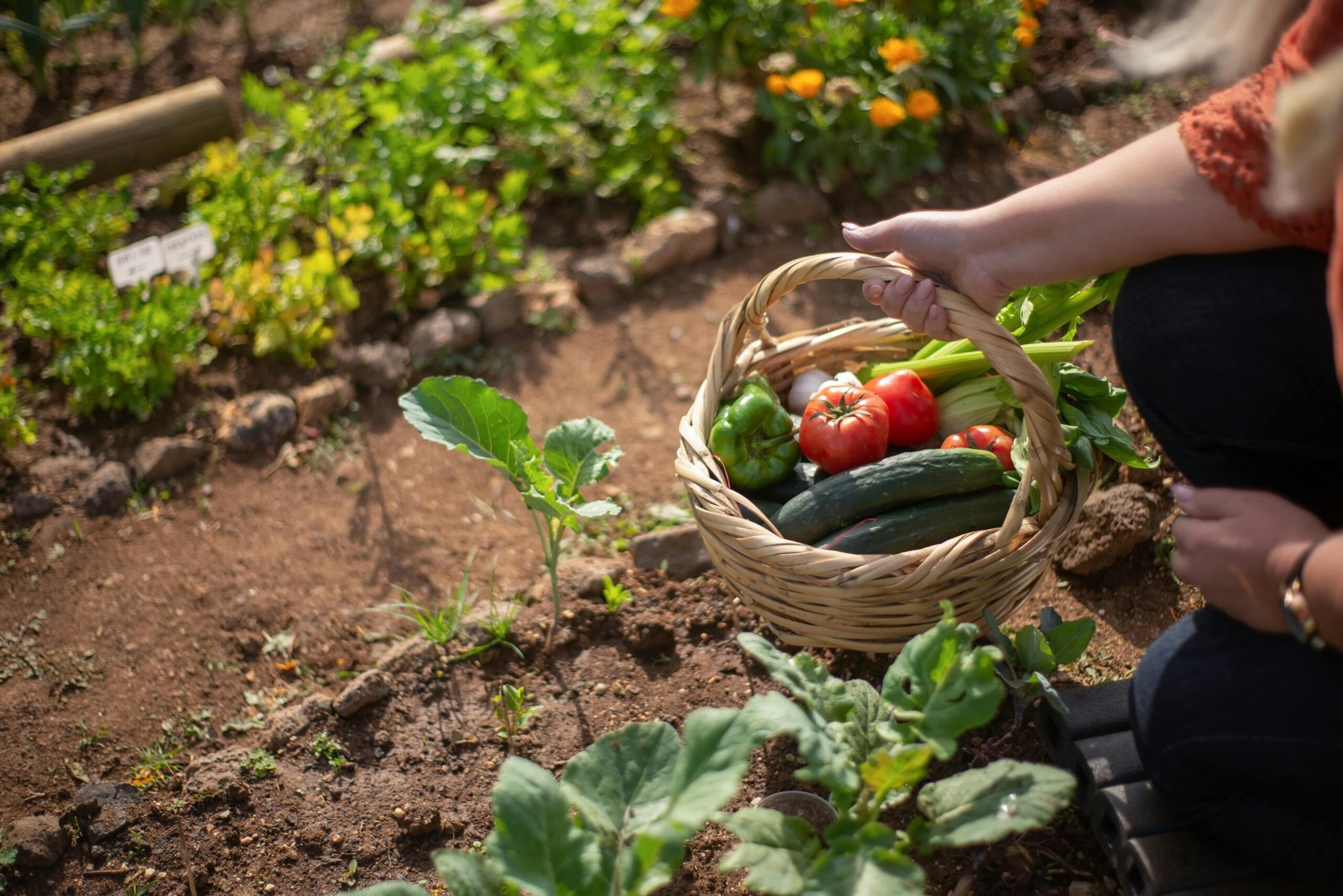
When I came to Ireland, I noticed two things that do not sit together comfortably. The first was the land. Ireland has extraordinary soil, reliable rainfall, and a growing climate that produces some of the finest grass-fed beef in the world. The second was that almost nobody was using that land to grow vegetables at home.
Franchi Sementi, our seed supplier since 1783, is based in Bergamo: in the foothills of the Alps. The springs there are cool and unpredictable. Summers bring thunderstorms that flatten crops. The soil is heavy. These varieties were not bred for Mediterranean heat. They were bred for conditions that share more with County Longford than with the Amalfi Coast. This is not a marketing angle. It is a geographical fact.
Franchi Sementi, Bergamo, founded 1783. Seven generations of one family selecting seeds for flavour, yield, and resilience in difficult conditions.
Vintage Orto Kit, €40
Ten Italian varieties chosen for Irish gardens. Tomatoes, basil, courgette, fennel, rocket, and more. Everything in one box. No guesswork.
Get the Orto Kit →
Five things Welly to Belly actually means in practice.
If your family eats pasta twice a week, grow tomatoes and basil. If you make soup from October to March, grow cavolo nero and climbing French beans. The garden should serve the table, not the other way around. This sounds obvious until you are standing in front of a seed display in February with twenty heritage squash varieties in your basket and no basil.
One raised bed, managed well, produces more food than most families can eat of any single vegetable. Two courgette plants in a good Irish July will leave you desperately texting neighbours. Plant less. Do it properly. Add more next year when you know what you actually eat.
Most seed packets are written for the British south coast or, worse, for Italy. The Irish season is different. Last frost: late April to mid May. First frost: October. Outdoor growing window: May to October. These are the numbers that matter. Everything else is optimism.
Italian cucina povera: the poor kitchen: means making extraordinary food from simple, fresh, seasonal ingredients. On Tuesday you have fifteen courgettes: you make soup, a gratin, you stuff two of the large ones. You do not plan meals and consult the garden. You consult the garden and plan meals. This is not a constraint. It is freedom.
Italian heirloom varieties are open pollinated. You can save seed from your best plants and sow it again next year. Share seedlings with neighbours. Pass surplus over the fence. The kitchen garden has never been a private, self-contained project. It works better when people share it.
What Welly to Belly is not.
It is not self sufficiency in the prepper sense. That is a different, more anxious conversation, and we are not having it here.
It is not about perfection. Gardens fail. Whole crops fail. Slugs happen on a scale that will surprise you if you have never gardened in Ireland before. You learn, you adjust, you try again next year with a bit more copper tape and a bit less faith in the forecast.
It is not expensive. A packet of seeds costs around three euros fifty. One courgette plant gives you fifteen to twenty courgettes. Do the maths yourself.
This is for Mary from Mullingar.
She is 42. She has two kids. She has a small garden behind the house and she has been told, her whole adult life, that growing food is something other people do.
She tried it once. It did not work. She concluded she was one of the people without a green thumb. She shops at Tesco and Lidl, she worries about the food bill every week, and she knows, somewhere in the back of her mind, that what her children are eating is not as good as what they should be eating.
Welly to Belly is for Mary. If the information is clear enough for Mary to act on it while her eight-year-old is pulling her sleeve on a Sunday morning, it is clear enough. If Mary can do it, anyone can.
The complete list of everything you need.
A containerA pot, a window box, or a corner of the garden
SeedsOne packet. Start with one thing.
WaterWhen the soil is dry. Not before.
Thirty minutesOn a Sunday. Once a week.
No polytunnel. No raised bed kit from a garden centre at €180. No course. No subscription. No green thumb. Just a pot, some seeds, water, and half an hour you already have.
Basil. One pot. South-facing windowsill. Water when dry. That is the entire instruction. Your kitchen will smell different from June onwards.
Courgettes. Two plants, no more. They grow quickly, produce from July, and are almost impossible to kill in an Irish summer. Trust the two-plant rule.
The Vintage Orto Kit has ten Italian varieties chosen specifically for Irish conditions. Tomatoes, basil, courgette, fennel, rocket, and more. One box. No guesswork. Everything you need to fill a raised bed.
And then something grows.
This is still, even after you have done it many times, quietly astonishing. You put a small flat thing in soil. You add water. Six weeks later you have a plant that did not exist before.
Your children will be more interested in eating food they grew than food that appeared in a bag. This is not guaranteed. But it happens far more often than you would expect.
The amount of tomatoes one San Marzano plant produces in a season in Ireland. From one packet of seeds. One plant.
By September, if you plant tomatoes in April, you will have more than you know what to do with. You will make sauce. You will make salad. You will give some away. You will remember what a tomato is supposed to taste like: which is an experience that is very difficult to describe to someone who has only eaten the refrigerated kind.
Start this season.
The seeds are waiting.
114 Italian heritage varieties in stock. All DAFM registered. Delivered across Ireland by An Post.
No minimum order. An Post delivery to every county. DAFM registered.
BloomySeeds is the Irish stockist of Franchi Sementi seed, Bergamo, established 1783. Seven generations. 500+ varieties. Delivered to your door from County Longford.
Free tool
Not sure what to sow this week? The Garden Companion tells you, week by week, for Irish weather. Save what is in your beds, get a reminder on Monday morning, and stop working backwards from a calendar written for somewhere warmer.
