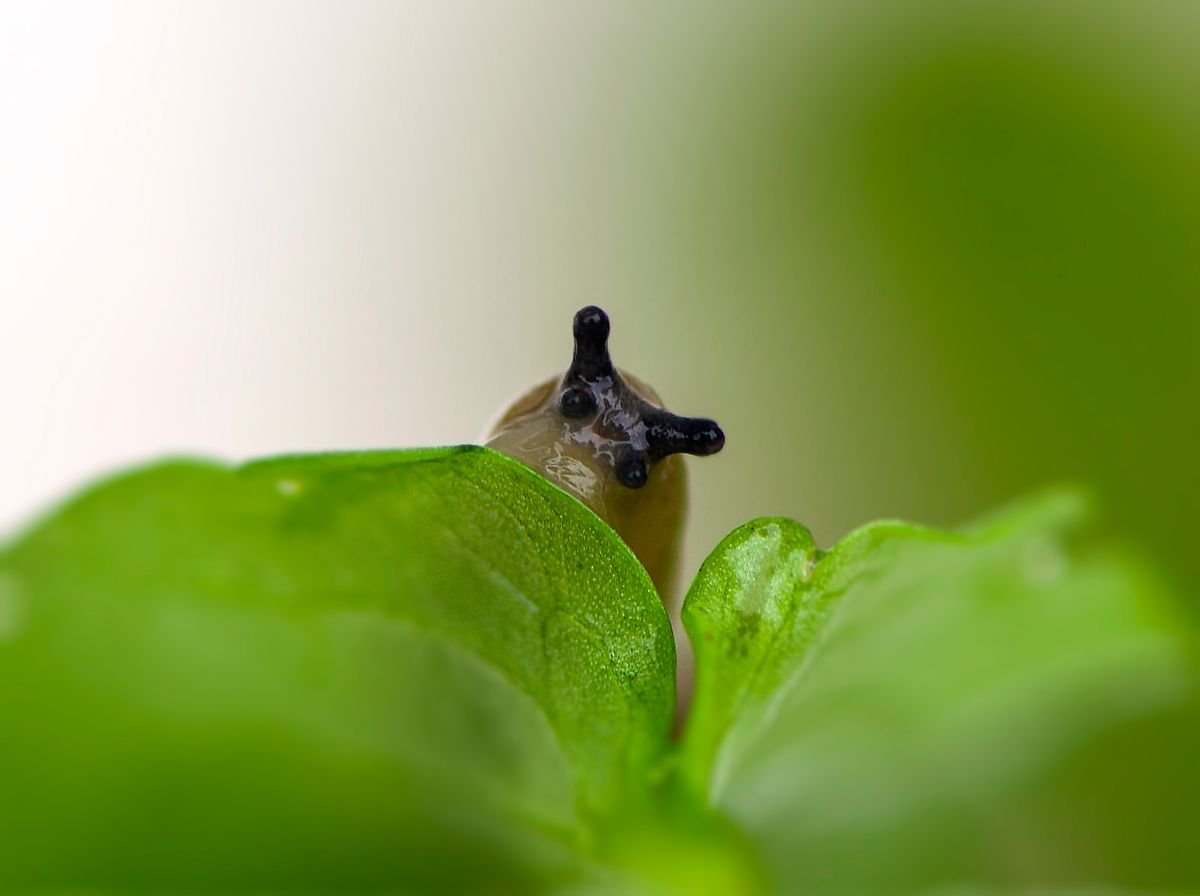

Ireland has one of the highest slug densities in Europe. This is not a gardening problem. It is a geographical and climatic fact: mild winters that keep populations alive year-round, wet summers that create perfect feeding and breeding conditions, and heavy soils with the kind of crevices that slugs use for shelter and egg-laying. Understanding this is the first step. The second step is stopping the approaches that do not work in Irish conditions and starting the ones that do.
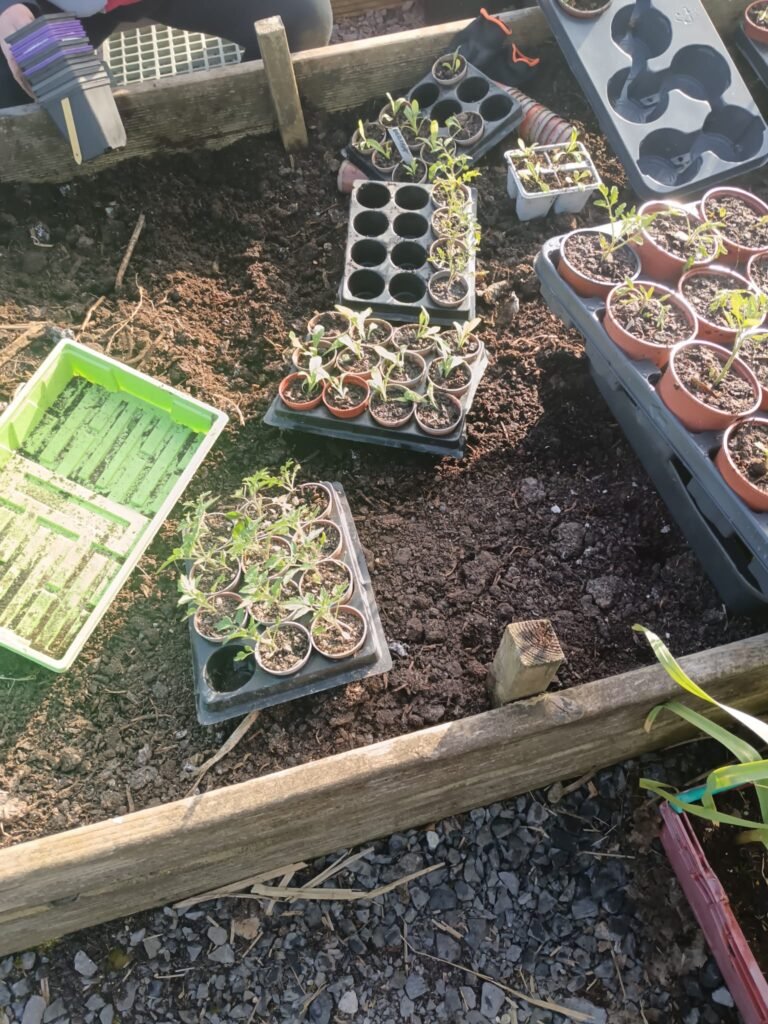
I have grown food in Longford for several years. The slugs here are not the polite, occasional visitors you read about in British gardening books. They are a constant, year-round presence that will eat a tray of basil seedlings overnight and leave nothing but stems by morning. You cannot defeat them. But with the right approach, you can manage them to a point where your garden produces abundantly despite them.
Know What You Are Dealing With
There are around thirty slug species in Ireland, but four cause most of the damage worth understanding.
The Spanish slug, Arion vulgaris, arrived in Ireland around 2010 and spread rapidly. It is the large brown-orange slug you see crossing the path at dusk. Larger than native species, a more aggressive feeder, and more resistant to standard controls. If you see one, there are hundreds you are not seeing.
The grey field slug, Deroceras reticulatum, is smaller, faster-breeding, and lives partly underground. It damages roots as well as leaves, which means it attacks things you cannot see until the plant collapses. Standard surface barriers do not stop it.
The jet slug, Milax gagates, is entirely subterranean. It attacks root vegetables, potatoes and bulbs from below. By the time you discover the damage, the slug is long gone.
The important point: Irish slugs are active year-round. They do not die in winter. They go underground, and a warm February brings them back to the surface before most gardeners have noticed spring has started. There is no off season.
The Approach That Actually Works
No single method manages Irish slugs adequately. The gardening books that tell you to put down eggshells or beer traps and call it done were not written for Irish conditions. What works here is a layered system: four or five methods working together, each covering the weaknesses of the others.
Physical Barriers: Copper Tape
Copper creates a mild reaction when a slug’s mucus contacts it, which they find sufficiently unpleasant to avoid. Applied around the outside of raised beds and containers, it is the most reliable permanent barrier available. Use a minimum width of four centimetres, narrower tape loses effectiveness quickly. Form a complete, unbroken ring, because a single gap of one centimetre is all a determined slug needs. Check after heavy rain that the tape has not lifted at the join.
Copper tape is not a complete solution on its own. Subterranean species like the grey field slug can arrive through the soil regardless of what is on the surface. But as part of the layered system, it is an essential component.
Biological Control: Nematodes
Phasmarhabditis hermaphrodita is a microscopic parasitic worm that infects and kills slugs underground. Applied as a liquid drench to moist soil, it is extraordinarily effective against the subterranean species that physical barriers cannot reach. The grey field slug, the jet slug, and overwintering slug eggs are all killed by nematodes in ways that no physical barrier can achieve.
In Ireland, apply in April, July and September, when soil temperature is above five degrees and conditions are moist. This is almost always the case in Ireland, which means the application window is reliably available. They are not a one-time fix. Reapply each season. The results, particularly if applied consistently for two or three years, are cumulative.

Remove the Habitat They Need
Slugs need three things: moisture, darkness and shelter during daylight hours. Every board, pot, pile of leaves or piece of netting on the ground is potential daytime cover. Regular clearing of debris around your beds is not tidiness for its own sake. It removes the shelter slugs depend on.
Evening watering is a gift to slugs. They are most active in the first hour after darkness, and watered soil provides perfect conditions for them. Water in the morning instead. By evening the surface will have dried enough to make conditions slightly less favourable.
Mulch is excellent for soil health and moisture retention, but it also provides perfect slug habitat. Use gravel mulch around slug-vulnerable plants like basil, lettuce and seedlings. Save the organic mulch for slug-resistant plants like courgettes, beans and cavolo nero.
Companion Planting That Actually Works
Calendula, the pot marigold, attracts slugs preferentially. Plant it as a sacrificial border around your main beds and slugs will tend to eat it rather than your vegetables. The bonus: calendula is also one of the most valuable beneficial insect plants you can grow, attracting hoverflies and other predatory insects that eat aphids.
Sage and rosemary genuinely repel slugs with their aromatic oils. Interplanting these herbs near vulnerable crops creates a zone that slugs avoid. Plant sage near basil. It will not eliminate the problem but it measurably reduces it.
When to Act Through the Irish Year
| Month | Slug Activity | What to Do |
|---|---|---|
| January to February | Low, underground | Order copper tape and nematodes. Clear winter debris from beds. |
| March | Rising as soil warms | First nematode application. Protect all seedling trays off the ground. |
| April to May | High, egg-hatching season | Maximum vigilance. Copper tape on every bed. Second nematode drench. |
| June | High but more manageable | Hand-picking at dusk. Companion planting established by now. |
| July | Moderate, heat reduces activity slightly | Third nematode application. |
| August to September | Rising again, second egg cycle | Hand-picking resumes. Protect any autumn seedlings with cloches. |
| October to November | High in cool damp conditions | Clear all debris before slugs go underground for winter. |
| December | Low but present in mild spells | Final tidy. Remove every potential overwintering site you can find. |
Italian Varieties That Help Themselves
One of the strongest practical arguments for Italian heirloom varieties in Irish gardens is their natural slug resistance. Many were developed in mountain conditions where slug pressure is significant, and centuries of selection have produced varieties with tougher skins, more aromatic foliage and bitter compounds that slugs genuinely avoid.
| Variety | Slug Resistance | Why |
|---|---|---|
| Courgette Striato d’Italia | High | Ribbed skin, aromatic leaves, stems are tough to penetrate |
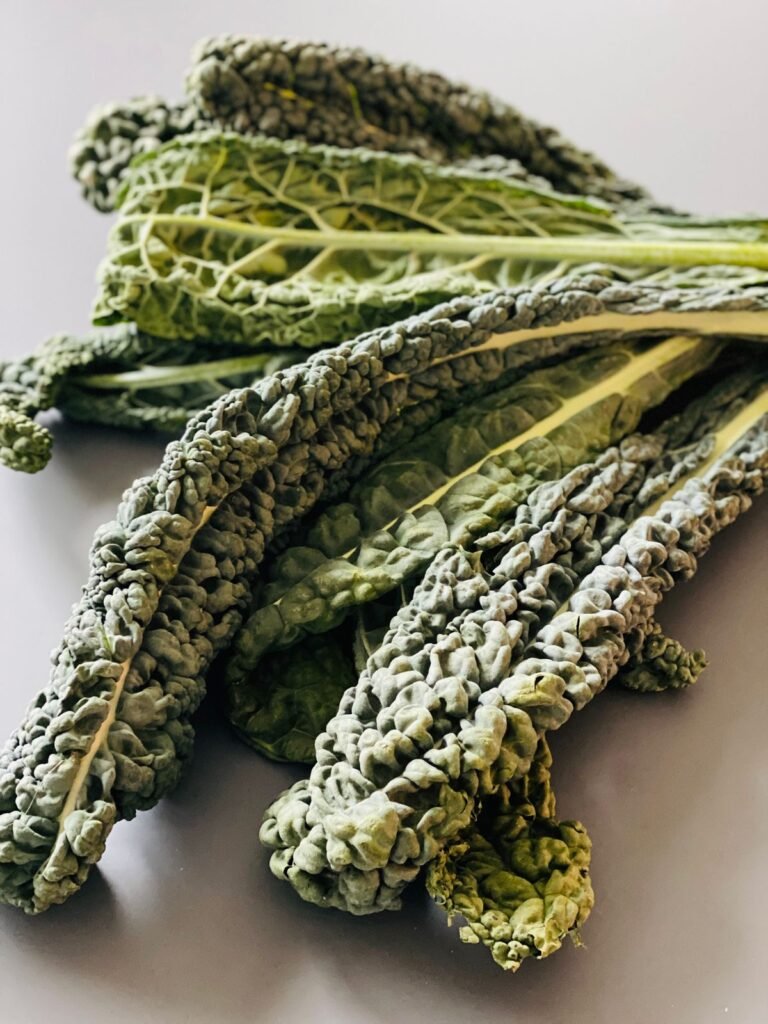
| Cavolo Nero | High | Waxy, textured leaves with bitter compounds that deter feeding |
| S. Anna Climbing French Bean | Medium to high | Climbing form keeps most foliage above ground level |
| Sage, Rosemary, Fennel | Very high | Aromatic oils actively repel slugs; rarely touched |
| Radicchio | Medium | Bitter compounds reduce feeding, though not immune as seedlings |
| Basil | Low | Highly vulnerable at all stages; always protect with physical barrier |
| Lettuce | Very low | Grow under cloche or with copper barrier; treat as a protected crop |
What Does Not Work in Ireland
Eggshells have no reliable scientific evidence of effectiveness and Irish slugs are entirely unimpressed. Salt damages soil chemistry and kills nearby plants. Do not use it.
Beer traps alone will not manage an Irish slug population. They work as part of a larger strategy, and they will tell you how bad the pressure is, which is useful. But you will empty the trap every morning through May and June without making a measurable dent in the population.
Standard metaldehyde slug pellets are effective for one generation of slugs and harmful to every hedgehog, ground beetle and song thrush that would otherwise have eaten the next generation. The net effect over a full season is negative. Organic ferric phosphate pellets are a better option if you need a chemical intervention, but they are a supplement to the layered system, not a replacement for it.
And the most important thing that does not work: any single-method approach. In Ireland, you need layers. One method alone will not be enough.

Common Questions
What is the most effective organic slug control for Ireland?
Nematodes combined with copper tape and habitat reduction. These three working together eliminate sixty to eighty percent of slug damage in most Irish gardens. Add companion planting and the result improves further.
When should I apply slug nematodes in Ireland?
When soil temperature is above five degrees and conditions are moist. In Ireland that means April, July and September in most years. You can apply outside those windows in mild, wet weather if conditions suit.
Does copper tape work in heavy Irish rain?
Yes, but check the join regularly. Heavy rain can lift adhesive on cheap or narrow tape. Use four centimetre minimum width and check after storms, especially in spring when slug pressure and rainfall are both at their highest.
Do coffee grounds work against slugs?
There is some evidence of mild deterrence but the effect is too weak and too short-lived to be useful in an Irish garden. Use the coffee grounds for soil conditioning and spend your energy on methods that actually work.
The right variety choice reduces slug pressure significantly. Browse our full range of Italian varieties, many of which have naturally higher slug resistance than standard commercial seeds, adapted through centuries of growing in conditions not unlike our own.
Free tool
Not sure what to sow this week? The Garden Companion tells you, week by week, for Irish weather. Save what is in your beds, get a reminder on Monday morning, and stop working backwards from a calendar written for somewhere warmer.