This calendar is written for the Irish midlands. Add one week for the west and north. Subtract one week for Wexford and Cork. Adjust for your own microclimate once you have a season or two behind you.
January
Italian seed varieties at BloomySeeds. Order now, before the best ones sell out.
What to do. Order seeds. January is the month to do it, before the good varieties sell out. The ones that run out first: San Marzano tomato, Costoluto Genovese, Cuore di Bue, Radicchio di Treviso.
Clean and sterilise seed trays and pots. Scrub with diluted washing-up liquid, rinse thoroughly, allow to dry. Old compost left in pots carries disease. Start clean every year.
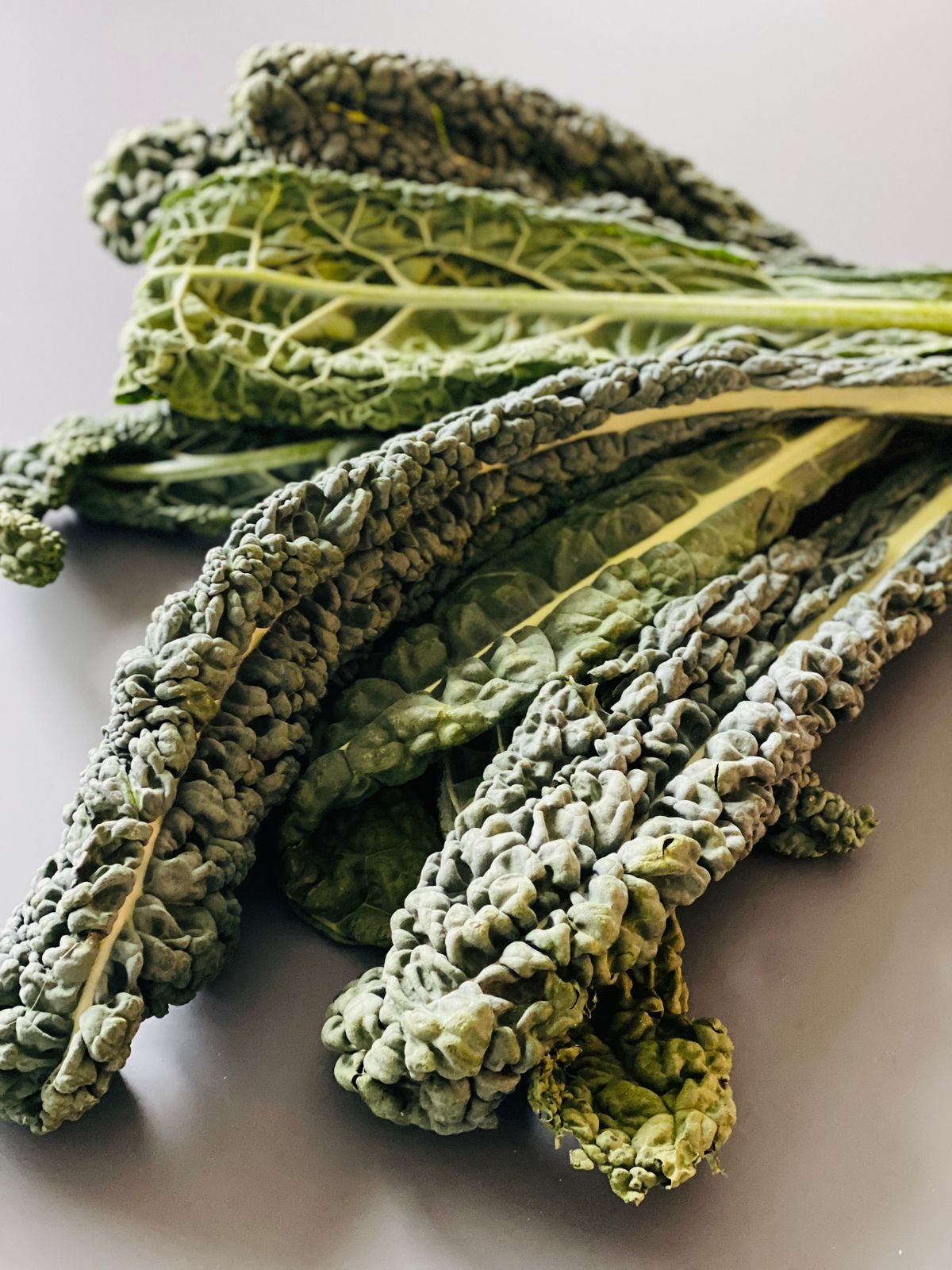
Check stored root vegetables and squash. Remove anything rotting before it spreads. Harvest whatever is still growing: cavolo nero, leeks, stored garlic, any overwintering spinach under fleece.
The jarred passata you made in August. The dried tomatoes in olive oil. The green tomato chutney. The cavolo nero and cannellini soup. January is when the summer work pays off.
February
What to sow indoors. San Marzano tomato, Costoluto Genovese, Cuore di Bue, Roma VF. These need 10 to 12 weeks indoors before planting out in May. Also indoors: peppers and chillies if you grow them. These need even longer than tomatoes.
What to do. Prepare raised beds if the ground is workable. Add compost. Do not dig clay soil when it is wet. You will compact it and create problems that take years to fix.
It should be showing green shoots. If it is not, it may have rotted. Dig one up carefully and investigate. Fix any damage to cloches, polytunnel, or cold frames from January winds.
March
How long tomato seedlings need indoors before planting out. A late March sowing is perfect for mid-May.
Sow indoors. Parsley Vintage Common Flat Leaf (slow to germinate, needs 3 to 4 weeks). Leeks. Onions.
Direct outdoors under cloche or in polytunnel. Broad beans if you did not sow in autumn. Peas. Spinach. Carrots in a sheltered raised bed.
Direct outdoors, no protection needed. Beetroot Chioggia from mid-March in the south and east. Wait until April elsewhere.
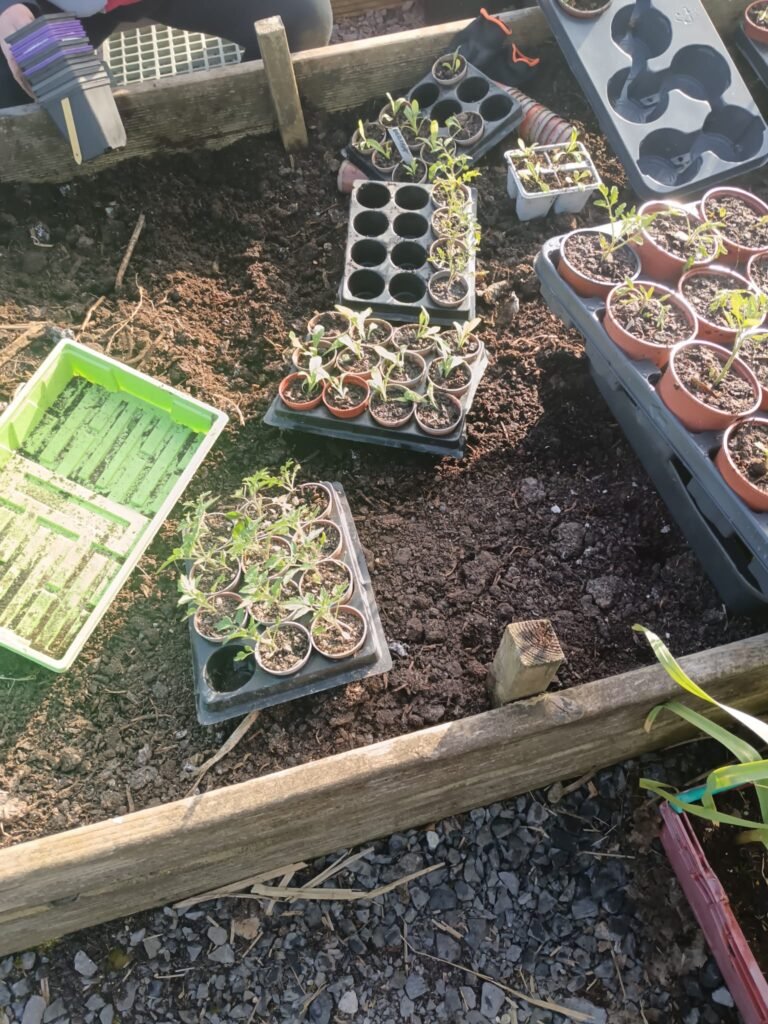
Pot on tomato seedlings from February into 12cm pots. Bury the stem deep. Tomatoes form roots along the buried stem. A leggy February seedling becomes a strong March plant if you bury it correctly.
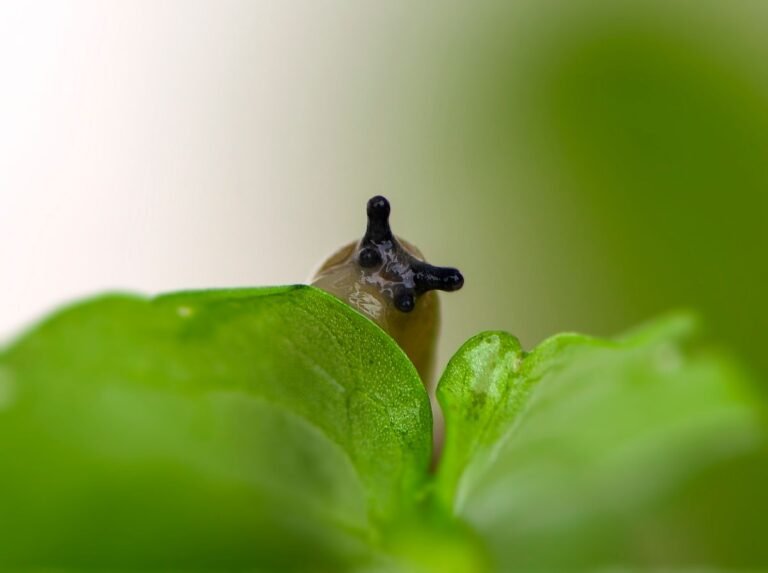
Apply copper slug tape to raised beds now, before the slug season begins in earnest. Order slug nematodes (Phasmarhabditis hermaphrodita) for April application.
April
Sow indoors. Courgette Striato d’Italia (one seed per 9cm pot, on its side). Basil Classico Italiano on the warmest windowsill you have (18 degrees minimum overnight). Cavolo Nero for an early autumn harvest.
Direct outdoors. Beetroot Chioggia, second sowing. Carrot Autumn King or Nantaise. Lettuce. More spinach.
Polytunnel. First cucumber sowing if you have a polytunnel. Lettuce and salad leaves for May harvesting.
Apply nematodes to soil in early April. Soil temperature needs to be above 5 degrees. Water in thoroughly after application. This is the most effective single slug-control intervention you can make.
Begin hardening off tomato seedlings. Take them outside for one hour the first day, two hours the second, increasing gradually over two weeks. Bring back inside on cold nights. Do not rush this. A tomato plant setback by cold in May loses two weeks of growth.
Plant out onion sets.
May
Sow indoors. Cavolo Nero (second sowing for succession). Fennel Mantovano.
Direct outdoors from late May. S. Anna Climbing French Bean. One seed every 20cm up a 1.5 metre cane frame. Sweetcorn in blocks of at least 16 plants (it is wind-pollinated and needs to be in a block, not a line). Cucumber outdoors in sheltered spots from late May.
Plant out after last frost (mid to late May). Courgette Striato d’Italia. One or two plants maximum. At 90cm spacing. They will fill the space you give them.
Polytunnel (mid May). San Marzano and other tomatoes into their final positions. Minimum 45cm spacing. Feed weekly from first flower. Install supports immediately.
Remove any shoot growing from the junction between the main stem and a leaf branch. Do it when they are small, 2 to 5cm, by snapping off with fingers. Also: watch for slugs constantly. May is the highest-risk month.
Basil Vintage from Genova
Sow now on a warm windowsill. Stronger aroma than anything from a supermarket.
View seeds
June
Direct outdoors. Beetroot Chioggia, third sowing for autumn harvest. More salad. More spinach. Fennel Mantovano if not yet done.
Polytunnel. Cucumbers into final positions. Basil alongside polytunnel tomatoes (companion planting: the aromatic oils from basil deter some tomato pests).
Apply nematodes again, 6 to 8 weeks after the first round. Begin weekly tomato feed with liquid tomato fertiliser (high potassium). Do not miss a week. Plant out cavolo nero seedlings from April sowing at 60cm spacing.
July
Sow indoors. Radicchio di Treviso or Radicchio Castelfranco. Sow now for October to December harvest. Spring onions for autumn.
Direct outdoors. More salad, more spinach, more beetroot. These are the succession sowings that keep the garden producing through September.
Stop tomatoes here. Pinch out the growing tip. Any new growth after this point will not ripen before October.
Do not leave to become marrows. Once a courgette becomes a marrow, the plant stops producing more courgettes. Pick daily in peak season. Also: watch for blight on outdoor tomatoes. Remove all affected material immediately.
August
The amount of passata one kilogram of fresh San Marzano makes. Six plants produce enough to last a family through winter.
Tomatoes. First polytunnel tomatoes ripen in early to mid August. Make passata immediately. A San Marzano glut waits for no one.
Climbing beans. At absolute peak. Pick daily, eat the same day, freeze what you cannot eat.
Courgettes. Still producing. Make courgette soup and freeze it in portions. August courgette soup in November tastes like summer.
Make pesto in bulk. Freeze pesto in ice cube trays. Once you have frozen pesto, you use it on everything through winter. Also sow: winter salad leaves, overwintering spinach, late lettuce in the polytunnel. Outdoors: overwintering onion sets from mid August.
September
Harvest. The last of the tomatoes. The last climbing beans. The first cavolo nero leaves (pick outer leaves; the plant continues producing). Radicchio beginning to heart up.
Choose the best fruit from the healthiest plant. Italian heirloom varieties are open-pollinated. You can grow the same variety next year from your own seed. Apply nematodes for the third time. Autumn slug populations are high.
Clear bean frames and polytunnel tomatoes. Compost all healthy material. Do not compost blighted tomato plants.
October
Harvest. Radicchio. Harvest entire heads when firm. Bitter, beautiful, and extraordinary in a salad with pear and walnut.
Green tomatoes from any remaining outdoor plants. They ripen indoors in a warm, dark place over one to three weeks. Or make green tomato chutney. One kilogram of green tomatoes, three apples, two onions, malt vinegar, brown sugar. Ready for Christmas.
Remove all plant material. Wash down the plastic with diluted bleach. This removes overwintering disease spores and pest eggs. A clean polytunnel in October means a healthier one in May. Add a 5cm layer of compost to all raised beds. The worms do the digging over winter.
November
Harvest. Cavolo nero. Leeks. Overwintering spinach under cloche. That is it. And it is enough. A plate of cavolo nero with garlic and chilli olive oil, or a leek and potato soup, or spinach wilted with butter and lemon, is good food.
They discover it in November when everything else is gone. A simple frame of wire netting is enough. Order seed catalogues for next year. In November the next season feels abstract. By January it will feel urgent.
December
Harvest. Cavolo nero. Leeks. Whatever is left in the polytunnel salad bed. The stored passata, dried tomatoes, frozen pesto, green tomato chutney.
Review the year. What worked. What failed. What you want to grow again. What you will not bother with. Make notes while it is fresh. By February you will have forgotten the details.
Order seeds. The cycle begins again.
The One Rule That Covers All of It
Most Sundays. That is all it takes to keep an Irish kitchen garden running through the season.
Not every Sunday. Not perfectly. Just most of them, most of the time, doing whatever that particular Sunday requires.
In February that is sowing tomatoes on a warm windowsill. In May it is planting courgettes and checking for slugs. In August it is picking beans and making passata. In October it is harvesting cavolo nero and adding compost to the beds.
The calendar tells you what that Sunday requires. The rest is just doing it.
All Italian seed varieties in this calendar are available from BloomySeeds. Every variety is sourced directly from Franchi Sementi, Bergamo, and DAFM registered for sale in Ireland.
Free tool
Not sure what to sow this week? The Garden Companion tells you, week by week, for Irish weather. Save what is in your beds, get a reminder on Monday morning, and stop working backwards from a calendar written for somewhere warmer.