August feels like peak season, which it is. Tomatoes finally ripening in the polytunnel, courgettes at maximum production, climbing beans producing daily, basil fragrant and abundant. The August garden rewards everything you did from February onwards and it is tempting to simply enjoy it and do nothing else. But the productive Italian kitchen garden runs August as two things simultaneously: the height of summer and the start of winter preparation. The sowings and transplants you make this month determine how much you eat from October through February.
What to Sow in August
Winter Salad: Into the Polytunnel Now
The most important August sowing task is one that most gardeners leave too late: sowing the winter salad mix that will carry you through the darkest months. In a polytunnel, direct-sow a mix of winter lettuce varieties, spinach, rocket and any oriental leaves you grow in a bed that will be cleared of summer crops by September. These sowings need to be in the ground now to establish properly before the light levels drop in October. Left until September, they barely establish before winter, and you get a much reduced harvest.
Outside a polytunnel, the same sowings can go into a cold frame, under fleece or in a south-facing raised bed that you plan to cover. They will not produce as abundantly as under polythene, but a fleece-covered raised bed of winter spinach and hardy lettuce is considerably better than nothing in November.
Spring Onions: Final Sowing of the Year
A direct sowing of spring onions in August will give you an autumn harvest in October and November. Use a winter-hardy variety and sow thickly in a short row. In a mild winter, some will carry through to spring. In a cold one, harvest them in October before the hard frosts arrive. This is the last realistic outdoor sowing window for spring onions in Ireland.
Spinach: Two Sowings, Two Harvests
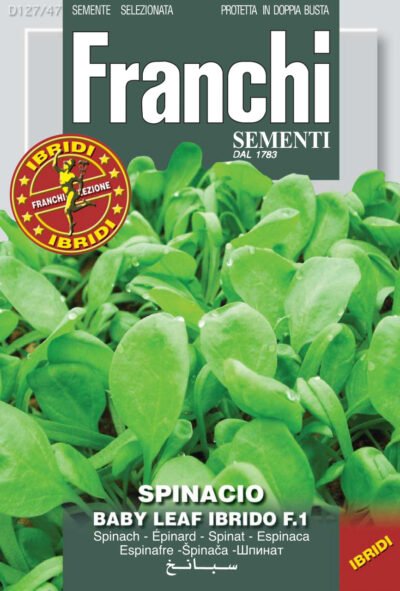
An August sowing of spinach gives an autumn harvest. A September sowing, if you get to it, overwinters and produces in spring. Sow directly into prepared soil, thinly, and cover with fleece in a cold October. Giant d’Inverno, the large-leafed Italian winter spinach variety, is better suited to this late sowing than standard varieties because it handles cold and low light better and produces larger leaves through the autumn months.
Cavolo Nero Transplants: Out Now
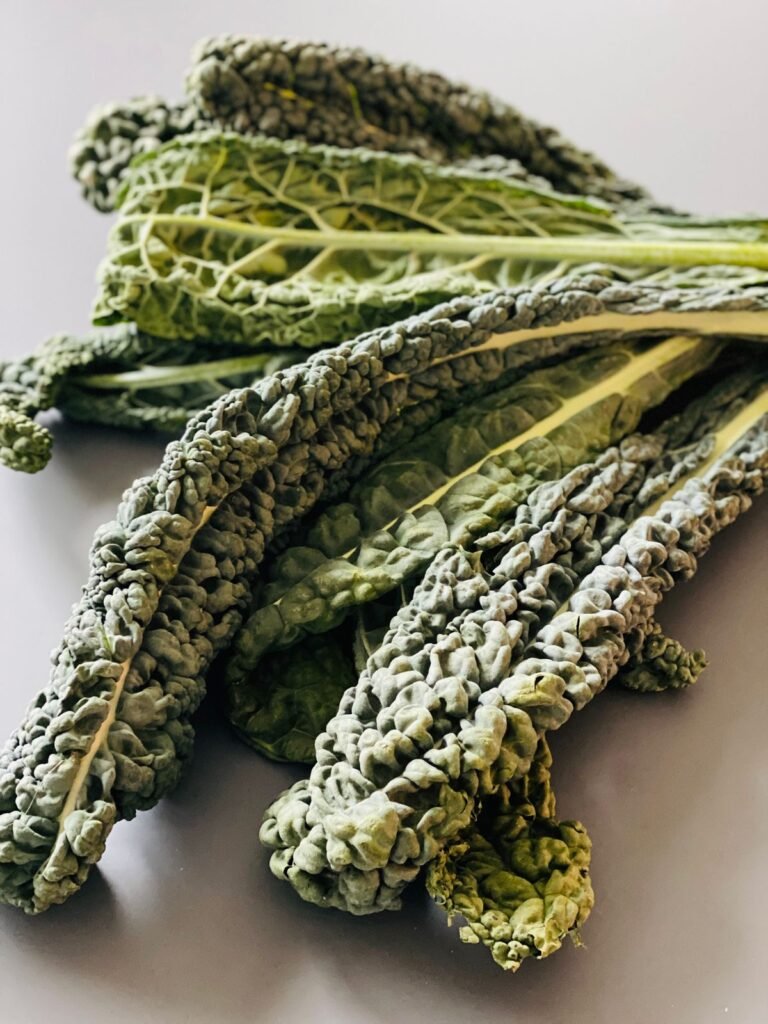
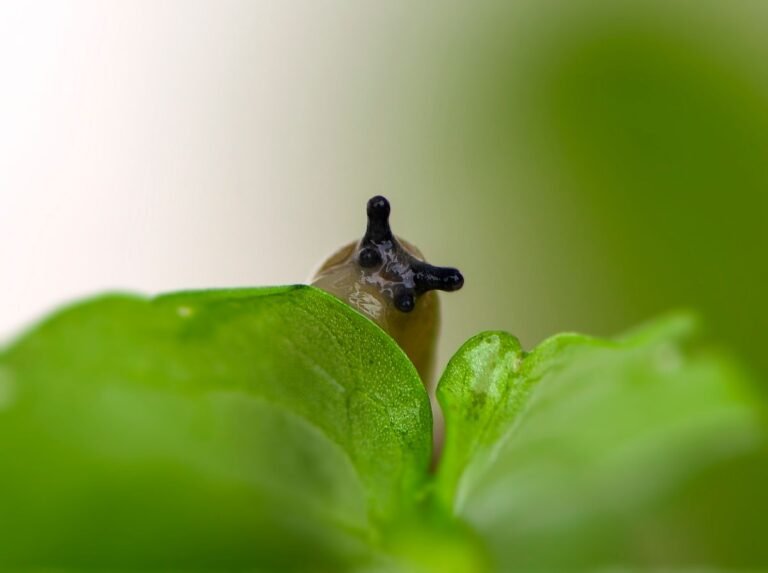
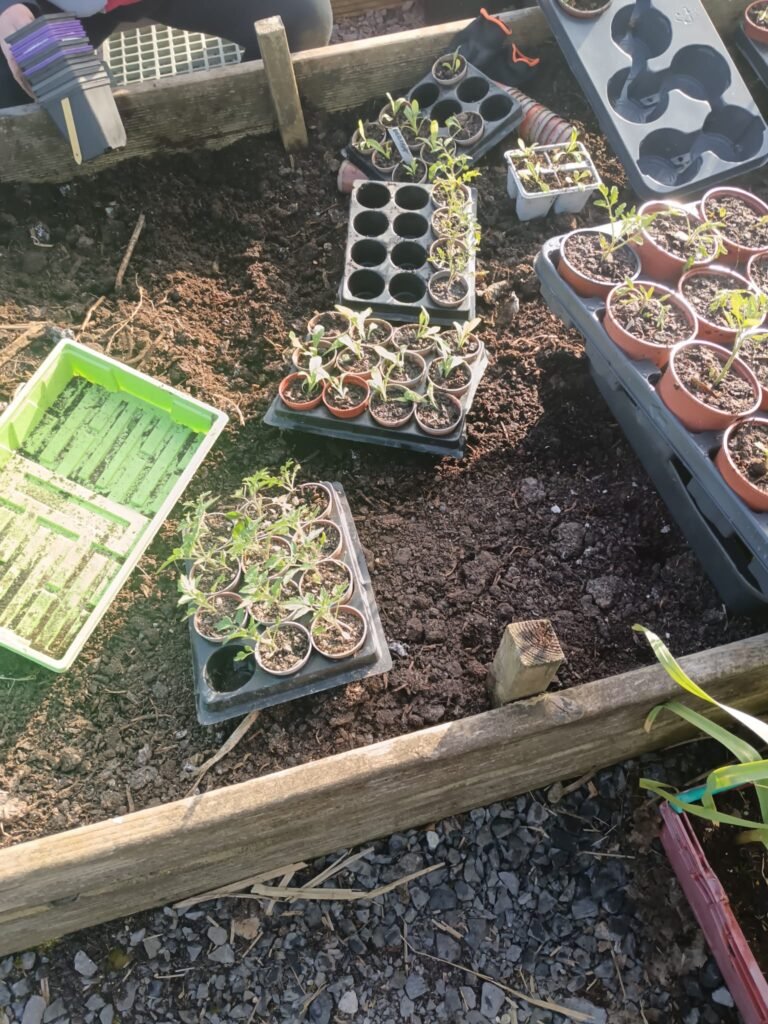
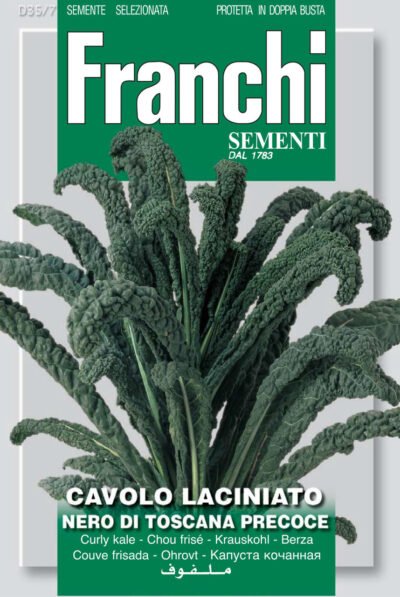
Cavolo Nero sown in June and July is ready to transplant into its final position in August. Space at forty-five centimetres, water in well, and protect from slugs aggressively in the first two weeks while the plant establishes. Once established, Cavolo Nero largely takes care of itself. The outer leaves will be ready to harvest from October, and the plant produces continuously through winter as long as you leave the growing tip intact.
If you did not sow Cavolo Nero earlier in the season, you can still sow it now into modules for a late August or September transplant. The plants will be smaller than earlier sowings, but will still provide a meaningful winter harvest from November onwards. It is not too late.
Radicchio Transplants: Out in August
Radicchio sown in July is ready to transplant into its final position in August. Thirty centimetre spacing, direct sun, water in well. The heads begin forming in September and are ready to harvest from October through December. Leave them until after the first frost for the fullest development of flavour: the bitter, sweet, acidic character that makes radicchio extraordinary with pears, walnuts and good Parmesan.
Radicchio Tonda di Verona
Buy seeds →
August Harvesting: The Peak Continues
San Marzano Passata: The Defining August Task
For anyone growing San Marzano tomatoes in a polytunnel, August is the month the whole project has been building towards. When the fruit is coming faster than you can eat it fresh, make passata. This is what the Italian kitchen garden was always for: not just the summer abundance, but the winter continuity. A day spent making and jarring passata in August produces a supply of the finest pasta sauce you will ever make, available through January and February when polytunnel growing is months away.
The method is simple. Halve the tomatoes, roast with olive oil, garlic and basil at 180 degrees for forty-five minutes. Push through a food mill. Season. Pour into sterilised jars and seal. Store in a cool dark place. Open in December over fresh pasta and be reminded of why the whole season was worth it.

San Marzano seeds for next season
Buy seeds →
Courgettes: Still Daily
The courgette plants do not care that it is August. Pick daily. A courgette left for two days in warm conditions becomes a marrow and diverts energy from new fruit production. Pick at ten to twelve centimetres. If you are overwhelmed with production, slice thin, salt, drain, and freeze for winter soups. Or make courgette soup in large batches. Or give them away freely to anyone willing to accept them.
S. Anna Climbing French Beans: Peak Season
By mid-August, S. Anna climbing beans are at full production. Stringless pods ready before they develop any toughness, picked every two days to keep the plant producing. These are the most reliable bean for an Irish summer: they handle wet conditions that collapse dwarf French beans, they climb two metres on a simple cane frame, and the flavour young is genuinely good. Cook briefly, dress with olive oil and a little garlic. At this stage, they produce faster than you can eat them.
S. Anna Climbing French Bean
Buy seeds →
Watch for Blight
From mid-August onwards, check polytunnel tomatoes daily for the first signs of blight: brown patches appearing on leaves, often starting at the leaf tips or edges. Remove affected leaves immediately and dispose of them outside the garden. Increase ventilation through the tunnel. Avoid any overhead watering. Blight spreads fast in warm, humid conditions, and the difference between catching it on two leaves and losing half the planting is often twenty-four hours.
Overwintering Onions: Plant Now
Overwintering onion sets planted in August produce spring bulbs that are ready for harvest in May and June, months before summer-planted onions. Plant into well-drained soil at fifteen centimetre spacings, tips just showing above the surface. They need little attention through winter and produce reliably in the kind of soil conditions that Irish gardens consistently provide.
August Jobs: Garden and Polytunnel
Sowing is only half of August. The other half is the maintenance work that decides whether the summer crops finish well and whether the beds are ready for the winter ones. Below is the practical list, split by where the work happens.
Outdoors
- Water deeply, not often. One long soak twice a week grows deeper roots than a light daily sprinkle. Water in the morning so the foliage dries before evening.
- Feed weekly with a high-potash feed. Tomatoes, courgettes, beans and anything in a container are all fruiting hard now and running down the soil.
- Stop your outdoor tomatoes. Pinch out the growing tip two leaves above the fourth truss. Anything setting after mid-August will not ripen outdoors in Ireland, and it takes energy from the fruit that will.
- Pick every second day. Courgettes at ten to twelve centimetres, beans while the pods still snap, basil from the top of the plant. Picking is what keeps the plant producing. A missed week ends the crop.
- Clear spent beds and refill them immediately. Early potatoes, garlic, broad beans and the first peas are finished. An empty August bed is a wasted bed: sow winter salad, spinach or a green manure the same week you clear it.
- Hoe on a dry day. Weeds are setting seed now. Ten minutes with a hoe in August saves hours next spring.
- Net the brassicas. Cabbage white butterflies are at their peak. Fine mesh over the Cavolo Nero and cabbages, not fleece, which traps too much heat.
- Earth up leeks to lengthen the white shank, and keep the base of the plants clear of weeds.
- Order slug nematodes for September. The autumn application goes on when the soil is still warm and damp, which protects everything you have just transplanted.
- Save seed from your best plants. Franchi varieties are open-pollinated, so seed saved from the strongest tomato, bean or lettuce comes true next year. Choose the best plant, not the last one left standing.
Polytunnel and Glasshouse
- Ventilate hard. Doors and vents open day and night through warm spells. Still, humid air is what turns a small blight infection into a lost crop.
- Damp down the paths on hot days, not the leaves. Wet foliage overnight is an invitation to disease.
- Remove the lower tomato leaves up to the first ripening truss. Better airflow, faster ripening, easier to spot trouble early.
- Check for blight daily. Brown patches at leaf tips or edges. Remove affected leaves at once and take them out of the garden. The difference between two leaves and half the planting is often twenty-four hours.
- Water the beds properly. Tunnel soil never sees rain and dries out far deeper than it looks. Push a finger in to the second knuckle before deciding it is wet enough.
- Watch for red spider mite and whitefly. Both build up in dry, still tunnel air. Higher humidity and better ventilation are the cheapest control.
- Turn beds around fast. As the early cucumbers and first tomatoes finish, clear them and direct-sow winter salad in the same bed. This is the single most valuable use of tunnel space in August.
- Clean the polythene in late August. A season of dust and algae costs you light exactly when light starts to matter. Warm water and a soft brush is enough.
- Plan the winter layout now. Decide which beds carry winter salad, which carry spinach and which get a rest, before September crowds the decision.
The August Rhythm
The practical August routine combines two speeds: the urgent daily harvesting of summer crops, and the slower, forward-looking work of sowing and transplanting for autumn. Neither can be neglected without cost. A courgette missed for a day becomes a marrow. A Cavolo Nero transplant delayed until September is two weeks behind where it should be. The productive kitchen garden runs both tracks simultaneously, and August is the month when managing both properly makes the largest difference to what you eat through the following six months.
Browse Italian seeds for late season sowing
How this guide was written. Drafted with the help of an AI writing tool, then reviewed, corrected and checked against Irish growing conditions by Dario Addabbo of BloomySeeds before publication. Timings are for Irish gardens and are our own.