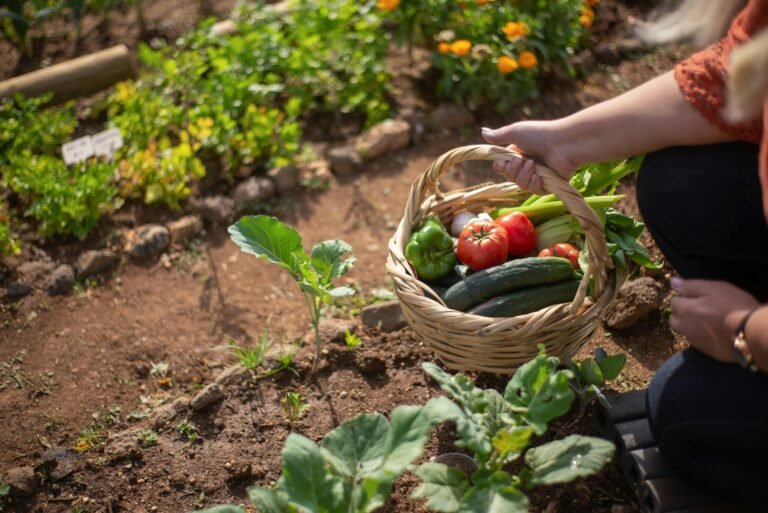
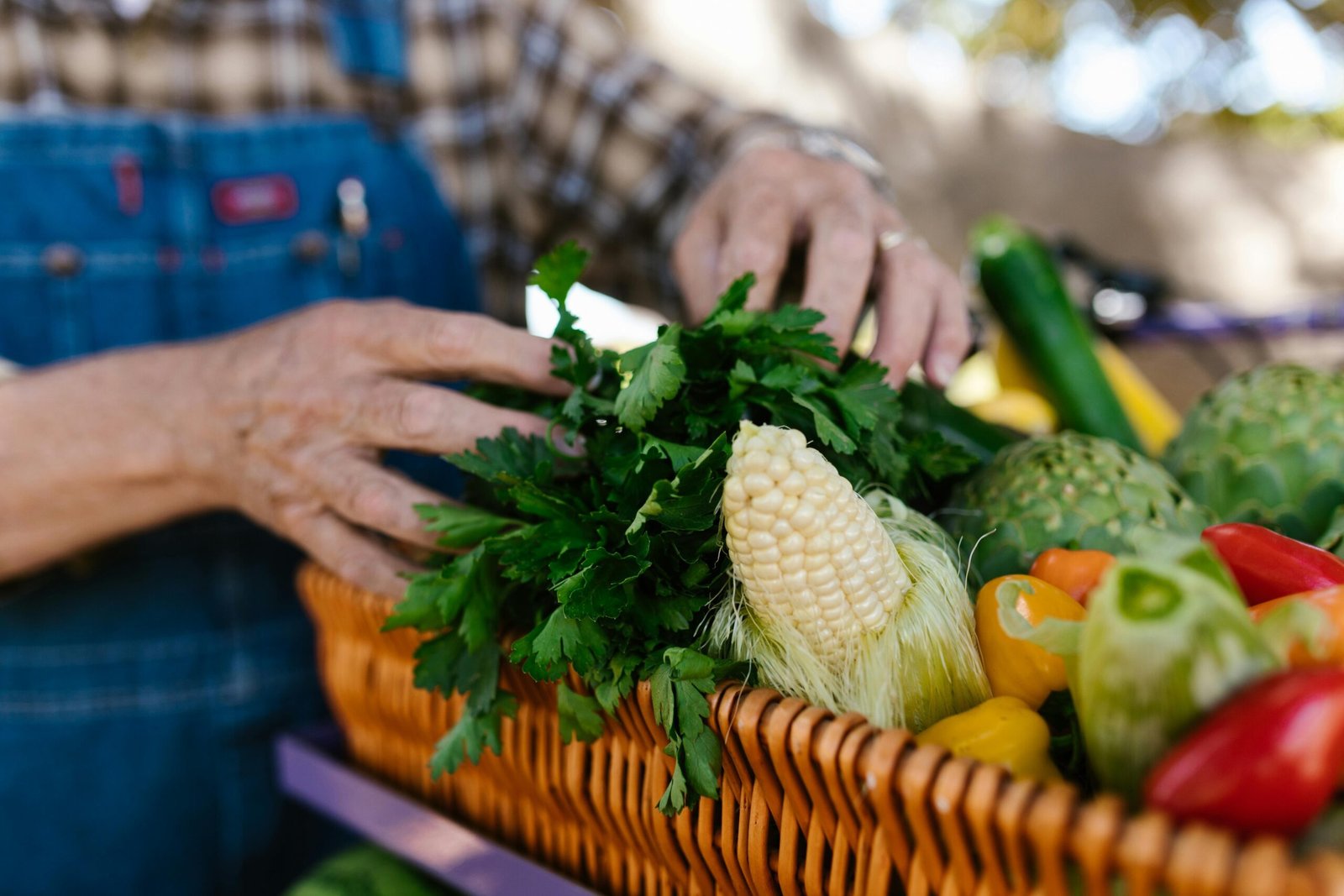
It is not a radical idea. It is actually one of the oldest ones. This article will not tell you to panic. It will tell you to plant. Whether you have a full garden, a narrow balcony, a sunny windowsill, or just a few pots on a doorstep, there is something you can grow, starting right now, that will save you money and feed your family better.
The Economic Reality
Ireland, like much of Europe, is navigating a period of genuine economic pressure. Inflation has pushed up the cost of basic groceries. Supply chains that were disrupted during the pandemic years have never fully recovered. Climate volatility is affecting harvests globally.
The amount of tomatoes a single plant produces in a season. From one packet of seeds.
The most vulnerable products are exactly the ones you might expect: fresh vegetables, salads, herbs, tomatoes, courgettes. The everyday ingredients that form the backbone of a healthy, affordable diet. Here is the good news: these are also among the easiest things to grow yourself, even in a small space, even with no previous gardening experience.
Practical Urban Gardening: What You Can Grow and Where
Container Gardening
Containers are the starting point for most urban growers, and for good reason. They are portable, controllable, and scalable. A single large pot on a balcony can produce an impressive amount of food.
The bigger the container, the better the harvest. Tomatoes, courgettes, and aubergines need at least 30 to 40 litres of compost to thrive. Lettuce, radishes, and herbs are happy in much smaller spaces.
- 🪴 Fabric grow bags: cheap, excellent drainage, reusable for years
- 📦 Large plastic storage boxes with drainage holes drilled in the base
- 🏺 Traditional terracotta pots: beautiful but need more frequent watering
- ♻️ Recycled crates, wooden pallets, or food-grade buckets
Raised Beds
If you have access to a garden, raised beds are the most efficient growing method for Irish conditions. They warm up faster in spring, drain better in our wet climate, and can be filled with good compost regardless of the quality of the soil beneath.
One raised bed, 1.2 metres by 2.4 metres, filled with good compost, will grow enough salad, herbs, and tomatoes to make a genuine difference to your weekly food bill. You do not need a field.
Indoor and Windowsill Growing
Even without any outdoor space, you can grow meaningful amounts of food on a bright windowsill. Herbs are the obvious choice and by far the most cost-effective. A packet of basil seeds costs less than a single supermarket herb pot, and produces fresh leaves for months instead of days.
What to Grow First
- 🌿 Herbs (basil, parsley, mint). Highest value per square metre. Replace expensive supermarket packets.
- 🥬 Salad leaves. Cut and come again. One packet gives you weeks of salad.
- 🍅 Cherry tomatoes. Prolific in pots. Children eat them straight off the plant.
- 🥒 Courgettes. One plant, months of harvest. Almost impossible to fail.
- 🫘 French beans. Easy, productive, freeze brilliantly.
Mixed Lettuces Seeds
13 varieties, approx. 6,000 seeds. Cut and come again for weeks of salad.
View seeds
Getting Started This Week
Fill a pot with compost. Sow seeds according to the packet instructions. Water. Put it somewhere sunny. That is the entire process. The plant does the rest.
Growing your own food is not a solution to everything. It will not replace your weekly shop. But it will take pressure off the parts of the bill that are rising fastest, it will improve the quality of what your family eats, and it will give you something that no amount of money can buy: the quiet satisfaction of walking outside and picking your own dinner.
All Italian heritage seed varieties mentioned in this article are available from BloomySeeds, sourced directly from Franchi Sementi (Est. 1783). DAFM registered for sale in Ireland.
Free tool
Not sure what to sow this week? The Garden Companion tells you, week by week, for Irish weather. Save what is in your beds, get a reminder on Monday morning, and stop working backwards from a calendar written for somewhere warmer.